
Italian footballers and managers have always carried a certain allure abroad, their style defined by tactical intelligence, flair, and a deep understanding of the game.
While Serie A remains their spiritual home, a number of Italians have taken the leap across the Atlantic, playing or managing in the United States.
From the glamorous NASL days of Giorgio Chinaglia at the New York Cosmos to the modern MLS era of Lorenzo Insigne and Federico Bernardeschi at Toronto FC, the journey has brought mixed fortunes — some found stardom, others faded quickly.
Their experiences shed light on why Italians go to America, how they adapt, and what challenges they face.
Pioneers: Giorgio Chinaglia and the NASL boom
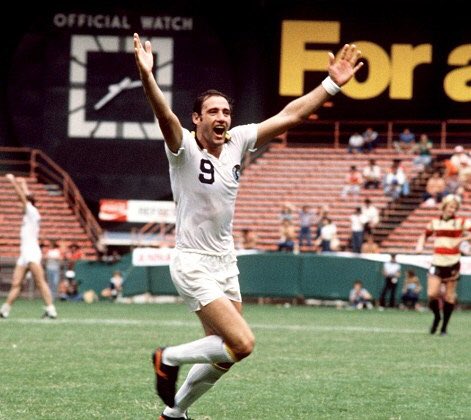
The most iconic Italian to grace American soccer remains Giorgio Chinaglia, Lazio’s legendary striker of the 1970s.
After firing Lazio to their first Scudetto in 1973–74, Chinaglia shocked Italy by leaving for the New York Cosmos in 1976.
The NASL at the time was a magnet for stars — Pelé, Franz Beckenbauer, Carlos Alberto — and Chinaglia fit right in, but with a twist: he became the league’s most prolific striker.
- Achievements: Four Soccer Bowl titles (1977, 1978, 1980, 1982) and a staggering 243 goals in 254 games for the Cosmos.
- Impact: Chinaglia embraced the American market, thriving on its celebrity culture and looser tactics. He also became a key locker-room leader, famously outspoken and fiercely competitive.
Chinaglia’s success set a precedent: Italians could go to America not just to wind down their careers, but to dominate.
Italian players in the modern MLS era
The modern wave of Italians in the MLS reflects two trends: established internationals arriving for a final challenge, and mid-career players seeking a fresh environment.
Here’s a list of Italian players who moved to MLS or North American clubs, spanning both major and lower divisions.
For each, you’ll find the club(s) they played for, their achievements—or lack thereof—and whether they were generally considered successes or disappointments.
1. Giuseppe Galderisi
Clubs: New England Revolution (1996), Tampa Bay Mutiny (1996–1997), later back to New England (1997).
Achievements & Outcome:
Failure in New England initially—left on waivers after poor form and conflicts with management.
Success at Tampa Bay—scored 7 goals and 8 assists in 1996, helping Mutiny win the Supporters’ Shield; earned an MLS All-Star appearance in 1997.
2. Nicola Caricola
Club: New York MetroStars (now Red Bulls), inaugural 1996 MLS season.
Outcome: Failure. Brought in with pedigree, but failed to deliver—remembered for letting in a notorious goal and never living up to expectations.
3. Roberto Donadoni
Club: Played in MLS’s inaugural seasons (1996–1997).
Outcome: Moderate success. A respectable presence and role model—though he only stayed two seasons before returning to AC Milan. He impressed with work ethic if not flashy results.
4. Marco Di Vaio
Club: Montreal Impact (2012–2014).
Achievements & Outcome: Success. Scored 34 goals in 76 appearances; won two Canadian Championships (2013, 2014); became a fan favorite.
5. Alessandro Nesta
Club: Montreal Impact (2012–2013).
Outcome: Success. Provided veteran leadership, defensive solidity, and international experience. Helped team in inaugural seasons and playoff pushes.
6. Matteo Ferrari
Club: Montreal Impact (2012–2014).
Achievements & Outcome: Success. Regular starter across three seasons, helped the team qualify for playoffs and won two Canadian Championships.
7. Andrea Pirlo
Club: New York City FC (2015–2017).
Achievements & Outcome: Mixed / underwhelming. Technically gifted—18 assists and 1 goal in 60–62 MLS appearances—but team missed playoffs in debut season; criticized for low defensive effort.
8. Giuseppe Rossi
Club: Real Salt Lake (2020).
Outcome: Failure. Brief stint—only 7 appearances and 1 goal. Notable mainly as a well-known Italian-American rather than for MLS success.
9. Lorenzo Insigne
Club: Toronto FC (2022–2025).
Achievements & Outcome: Failure overall. Despite high expectations and 11 goals/6 assists in 35 appearances, he failed to deliver playoff success, and his MLS stint recently ended by mutual consent.
10. Federico Bernardeschi
Club: Toronto FC (2022–2025).
Achievements & Outcome: Failure overall. Contributed 10 goals and 7 assists in 41 appearances, but team performance was poor and contract terminated.
11. Domenico Criscito
Club: Toronto FC (2022–2025).
Outcome: Moderate. Had a short stint, scored once; didn’t have major impact, and left alongside Insigne and Bernardeschi.
12. Giorgio Chiellini
Club: LAFC (2022–2023).
Achievements & Outcome: Success. Won the MLS Cup in 2022 in his debut season, scored his first MLS goal in 2023, and went out on a high note before retiring.
13. Sebastian Giovinco
Club: Toronto FC (2015–2019)
Possibly the most successful Italian in MLS history, Giovinco transformed Toronto FC from underachievers into champions.
Achievements: MLS Cup (2017), Canadian Championships, MLS MVP (2015), MLS Golden Boot (2015).
Impact: Nicknamed La Formica Atomica (The Atomic Ant), his creativity and free-kick mastery made him one of the league’s most feared attackers.
Summary: Successes vs. Failures
| Player | Club(s) | Outcome |
| Giuseppe Galderisi | NE Revolution / Tampa Bay | Mixed: failure → success |
| Nicola Caricola | NY MetroStars | Failure |
| Roberto Donadoni | Early MLS seasons | Moderate success |
| Marco Di Vaio | Montreal Impact | Success |
| Alessandro Nesta | Montreal Impact | Success |
| Matteo Ferrari | Montreal Impact | Success |
| Andrea Pirlo | NYCFC | Mixed / underwhelming |
| Giuseppe Rossi | Real Salt Lake | Failure |
| Lorenzo Insigne | Toronto FC | Failure (high expectations) |
| Federico Bernardeschi | Toronto FC | Failure (inconsistent) |
| Domenico Criscito | Toronto FC | Moderate |
| Giorgio Chiellini | LAFC | Success |
Final insights
- Great Fits: Giovinco (not listed above but widely considered the most successful) and Chiellini—delivered on and off the field with trophies and standout performances.
- Solid Contributors: Di Vaio, Nesta, and Ferrari brought experience and professionalism, aiding fledgling teams like Montreal.
- Underwhelming Headlines: Pirlo, Insigne, Bernardeschi, and Criscito arrived with big reputations but often failed to translate that into team success, partly due to injuries, inconsistency, or club instability.
- Pioneering Risks: Early stars like Caricola and Galderisi were MLS trailblazers—some crashed, others found their way mid-season.
Italian managers in the MLS and American Soccer
Coaching has been less common for Italians in the U.S., but notable examples exist:
- Giovanni Savarese — Venezuelan-born but Italian by heritage, he became a respected MLS coach with the Portland Timbers, leading them to the 2018 MLS Cup final.
- Alessandro Nesta — After retiring, coached Miami FC in the NASL and USL, gaining valuable experience in the American game.
- Paolo Maldini & Ownership Influence — While not managing directly, Maldini’s consultancy roles and scouting influence have occasionally touched North American football development.
Why Italians go to the MLS
Several factors explain the appeal:
- Financial Packages – MLS franchises offer competitive contracts, especially for marquee “Designated Players.”
- Lifestyle – Cities like Toronto, New York, Miami, and Los Angeles appeal for their international culture, safety, and family environment.
- Career Wind-Down – For veterans, MLS offers a slower pace and less media pressure compared to Serie A.
- Brand Growth – Playing in America can help players build their personal brand and business opportunities.
Is It easy for Italians to adapt?
Adaptation can be a mixed bag.
- Pros: High-quality facilities, strong fan engagement in certain markets, and less tactical rigidity allow creative players to shine.
- Cons: Extensive travel across time zones, varying pitch conditions (including artificial turf), and a physical style of play can be challenging.
Giovinco adapted perfectly, while others — like Andrea Pirlo at NYCFC — struggled with the league’s athleticism despite their technical class.
Conclusion
The story of Italians in the MLS and broader American soccer landscape is one of contrasts — a mix of triumphs, near-misses, and outright disappointments.
Players like Sebastian Giovinco and Giorgio Chiellini proved that Italian footballers could not only adapt but also dominate, using their tactical nous, technical quality, and professionalism to raise the profile of their clubs and win major trophies.
Others, such as Marco Di Vaio, Alessandro Nesta, and Matteo Ferrari, may not have reached the same level of stardom, but their steady influence and leadership helped establish credibility for their teams in competitive markets.
On the other hand, high-profile arrivals like Andrea Pirlo, Lorenzo Insigne, and Federico Bernardeschi show that pedigree alone does not guarantee success. Injuries, inconsistent form, and the unique physical demands of MLS can quickly erode a player’s impact, no matter their résumé in Europe.
Early pioneers like Giorgio Chinaglia and Giuseppe Galderisi took bigger risks in joining a fledgling league and, in doing so, helped pave the way for the modern influx of Italians — some flourishing, others fading into obscurity.
Ultimately, the Italian journey in America highlights a key truth: success in MLS isn’t simply about star power. It’s about adaptability, mentality, and a willingness to embrace a different football culture.
Those who arrive with humility, professionalism, and a readiness to learn often leave as icons; those who underestimate the league’s challenges risk becoming cautionary tales.
As MLS continues to grow, the Italian influence — whether through superstar forwards, veteran defenders, or even coaches — will likely remain a fascinating subplot in the evolving transatlantic football story.
Share this:
- Share on Bluesky (Opens in new window) Bluesky
- Email a link to a friend (Opens in new window) Email
- Share on Facebook (Opens in new window) Facebook
- Share on Reddit (Opens in new window) Reddit
- Share on Threads (Opens in new window) Threads
- Share on WhatsApp (Opens in new window) WhatsApp
- Share on X (Opens in new window) X
Related

Must See
-


Features
/ 2 months agoEXCLUSIVE INTERVIEW: Marc White on Dorking Wanderers’ rise from park football to global screens and their future aspirations
Dorking Wanderers, a National League South side with international recognition, are taking the social...
By Jameel Mulla -


Boxing
/ 2 months agoTop five sporting events of 2025: From Rory McIlroy finally winning the Masters, to England Women’s Rugby World Cup triumph and more
It’s been another remarkable 12 months of sport that has provided plenty of entertainment...
By Ben Potts -


50 Shades of May
/ 4 months agoFSOM: Grassroots football is dying on its a*** and we should be very concerned – here’s why I give the recreational game 10-15 years max
Sometimes when you poke a dead horse with a pointy stick a miracle occurs...
By John May


