
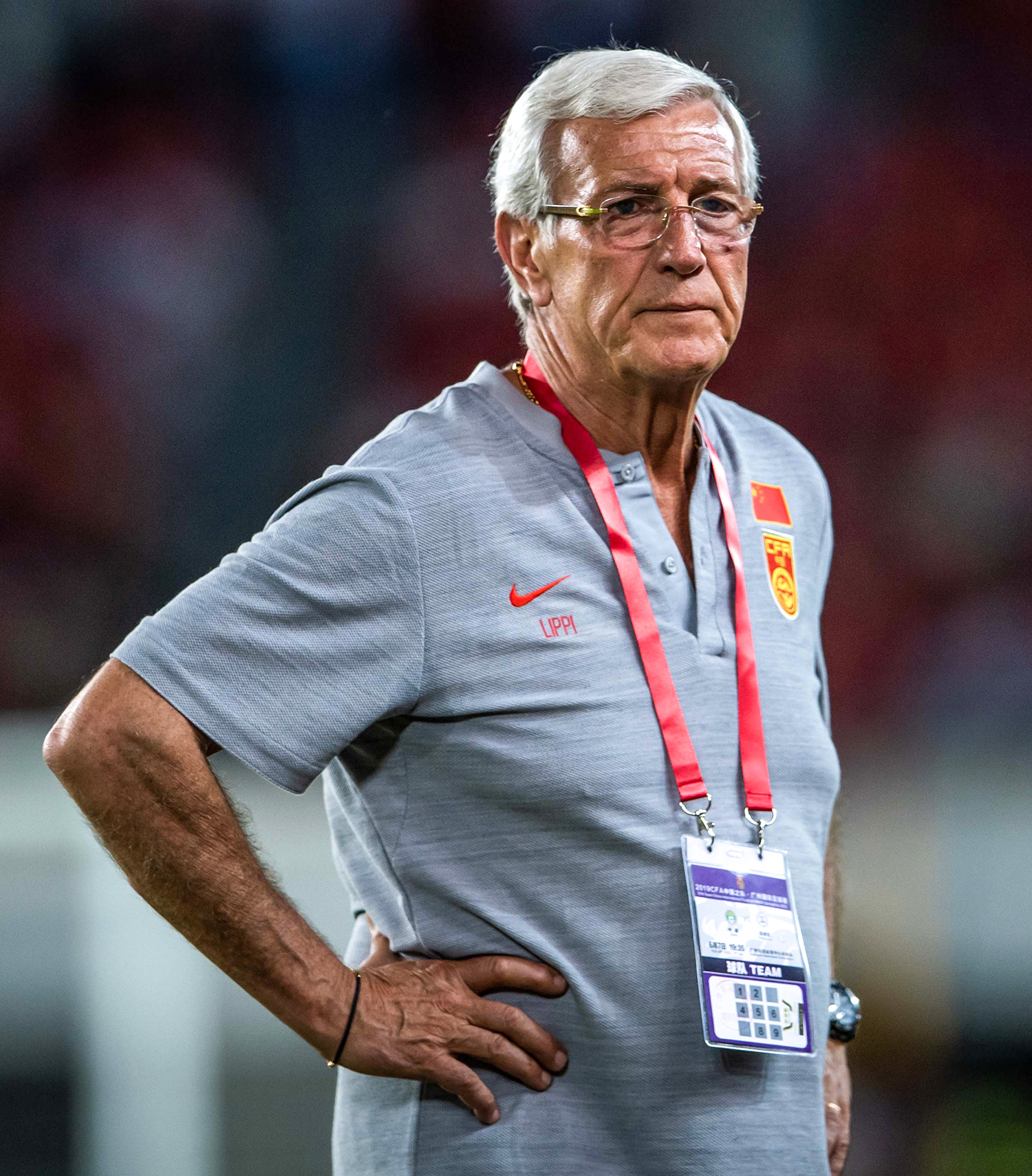
Over the past two decades Italy’s influence on Chinese football has come mainly through two routes: high-profile coaches (the best example being Marcello Lippi) and a trickle of players — some late-career veterans, some Italy-born stars, and a number of Italy-eligible internationals.
The most intense period of arrivals was the mid-2010s “China spending” era when clubs spent heavily to import foreign quality; that produced clear success stories, a few disappointments, and a pattern worth unpacking.
Who went (quick list of notable Italians and Italy-linked names)
Below are the better-known Italians (and Italy-linked players) who spent time in the Chinese Super League (CSL) or Chinese clubs:
- Marcello Lippi — coach, Guangzhou Evergrande (hugely successful, 2012–2014).
- Fabio Cannavaro — coach (Tianjin Quanjian; later Guangzhou), also took interim charge of China; mixed coaching record but some impressive achievements (promotion with Tianjin, high finish).
- Fabio Capello — coach of Jiangsu Suning (short spell, high-profile appointment).
- Alberto Zaccheroni — brief spell as Beijing Guoan manager (2016).
Players (examples from the CSL foreign-players lists):
- Graziano Pellè — Shandong Luneng (2016–2020): long, productive spell and one of the clearest Italian player successes in China.
- Alessandro Diamanti — Guangzhou Evergrande (2014): creative midfielder, memorable moments (including ACL impact).
- Alberto Gilardino — Guangzhou Evergrande (2014): marquee signing in 2014, modest returns before a return to Italy.
- Damiano Tommasi — Tianjin Teda (2009): veteran signing from Roma near the end of his career.
- Gabriele Paletta (Gabriel Paletta) — Jiangsu Suning (2018–2019).
- Éder (Éder Citadin Martins) — Jiangsu Suning (2018–2020) — Italy international by naturalisation; important for Jiangsu’s seasons.
- Stephan El Shaarawy — Shanghai Shenhua (2019–2020): high-profile Italian attacker who had a short, mixed spell.
(These names are drawn from CSL foreign-player lists and contemporary reporting — the period 2014–2019 produced most Italy-linked arrivals.)
Successes — Italians who prospered in China
- Marcello Lippi (coach) — Lippi’s Guangzhou Evergrande project is the standout success: multiple CSL titles and the 2013 AFC Champions League — an epochal moment for a Chinese club and a clear example of an Italian coach transplanting a winning culture and tactical structure. Lippi’s work raised the league’s international profile.
- Graziano Pellè (player) — Pellè produced consistent goal returns at Shandong Luneng across several seasons (becoming one of the league’s reliable foreign scorers) and is a textbook example of an experienced Serie A striker thriving in the CSL environment. His numbers across 2016–19 show sustained productivity.
- Alessandro Diamanti (player) — while his China stint was not a multi-year residency, Diamanti made immediate impact moments (including an influential Asian Champions League appearance after signing for Guangzhou) and raised his profile through flashes of creativity.
- Fabio Cannavaro (coach) — Cannavaro rebuilt his managerial standing in China (promotion, a top-three finish with Tianjin Quanjian and later a return to Guangzhou). He won local coach-of-the-year recognition in the CSL era.
Why those cases worked: experienced professionals (coaches with clear methods, strike-proven forwards) who received strong club backing tended to translate their skills quickly — especially in clubs that combined top pay with ambitious sports structures.
Failures and struggles — where Italians found it hard
- Short-term signings that didn’t take off — some high-profile transfers were uneven. Example: Alberto Gilardino joined Guangzhou in 2014 but produced modest numbers and returned to Europe on loan within months — an example of a big name who didn’t fully settle or become a long-term star in China.
- Injury, form and adaptation issues — players like Stephan El Shaarawy had a mixed spell marked by fitness and form issues and eventually returned to Europe; many creative attackers found adapting to different teammates, travel schedules and tactical demands harder than anticipated.
- Volatility and club instability — the boom years (heavy investment 2014–2018) included clubs that later ran into financial problems; that instability harmed some projects and left foreign signings stranded or moved on. The environment could turn quickly when ownership or policy changed.
Bottom line: success in China was far from guaranteed — it hinged on the player/coach, the club’s stability and whether the move matched sporting needs (not just financial incentives).
Which Italians became stars in China?
- Graziano Pellè — reliably productive goalscorer and one of the clearest examples of an Italian player who became a high-profile, long-term foreign performer in the CSL.
- Alessandro Diamanti — not a long-term “king” of the league, but his name carried weight and he produced memorable contributions for Guangzhou.
A note on labels: several well-known foreign players in China have Italian passports or Italy-connections (for example Éder became an Italy international), which sometimes leads journalists to group them with “Italian” success stories even when they are Brazil-born or Argentina-born players who represented Italy. Always check birthplace, nationality and national-team history when you want a strict Italy-born list.
Why Italians (players & coaches) went to China
- Money — the CSL’s spending wave meant salaries and transfer fees that outstripped many European offers for mid-career and late-career players. This remains the single biggest pull.
- Project & resources — some Chinese clubs paid not only salaries but invested in coaching staff, facilities and ambitious continental targets; for coaches it was a chance to build with resources.
- Playing time & new challenge — for older internationals or players finding fewer chances in Europe, China offered regular starts and a fresh stage (and for some, the ability to cash in before retirement).
- Career rehabilitation or management pathway — coaches like Cannavaro used China to build coaching CVs and sometimes relaunch careers.
Is it easy for Italians to adapt to the game in China?
Short answer: no — not automatically.
- Tactical & stylistic differences: the CSL mixes very different playing styles (fast transitions, physical duels, varied technical levels). Coaches used to intricate Serie A tactical patterns sometimes find the adaptation requires tweaks.
- Environment & logistics: long travel distances, climate, language and cultural differences can be significant. Clubs that provided strong support (assistants, translators, stable back-office) made adaptation easier.
- Expectations & turnover: like many big-money leagues, Chinese clubs often demand quick results and change managers or squads rapidly — that reduces the time available for a slow, methodical Italian approach to take root.
So adaptation depends highly on the individual, the club environment and how well tactical expectations are matched to squad makeup.
Which Italians have coached in China? (compact list / highlights)
- Marcello Lippi — Guangzhou Evergrande (2012–2014): multiple CSL titles + 2013 AFC Champions League; later returned to various China-related roles.
- Fabio Cannavaro — Tianjin Quanjian (promotion and high finish), later Guangzhou Evergrande; also served briefly as China interim national coach.
- Fabio Capello — Jiangsu Suning (2017 appointment).
- Alberto Zaccheroni — Beijing Guoan (short 2016 spell).
(There are other foreign coaches in China of different nationalities; the Italians above are the most visible, with Lippi and Cannavaro being the most influential names.)
Conclusion
Italy’s footprint in Chinese football is a mixed but interesting story: coaches like Marcello Lippi turned up with immediate, measurable success and left a lasting legacy; players produced a handful of clear success stories (Graziano Pellè among them) and several short, headline-grabbing transfers that never quite settled.
The attractions — money, resources and sporting projects — were obvious, but so were the hurdles: adaptation, club instability and high short-term expectations.
In short, Italy → China moves have produced both triumphs and cautionary tales; whether an Italian professional thrives in China depends as much on club fit and off-pitch support as it does on name recognition.
Share this:
- Share on Bluesky (Opens in new window) Bluesky
- Email a link to a friend (Opens in new window) Email
- Share on Facebook (Opens in new window) Facebook
- Share on Reddit (Opens in new window) Reddit
- Share on Threads (Opens in new window) Threads
- Share on WhatsApp (Opens in new window) WhatsApp
- Share on X (Opens in new window) X
Related

Must See
-


Features
/ 2 months agoEXCLUSIVE INTERVIEW: Marc White on Dorking Wanderers’ rise from park football to global screens and their future aspirations
Dorking Wanderers, a National League South side with international recognition, are taking the social...
By Jameel Mulla -


Boxing
/ 2 months agoTop five sporting events of 2025: From Rory McIlroy finally winning the Masters, to England Women’s Rugby World Cup triumph and more
It’s been another remarkable 12 months of sport that has provided plenty of entertainment...
By Ben Potts -


50 Shades of May
/ 4 months agoFSOM: Grassroots football is dying on its a*** and we should be very concerned – here’s why I give the recreational game 10-15 years max
Sometimes when you poke a dead horse with a pointy stick a miracle occurs...
By John May


