
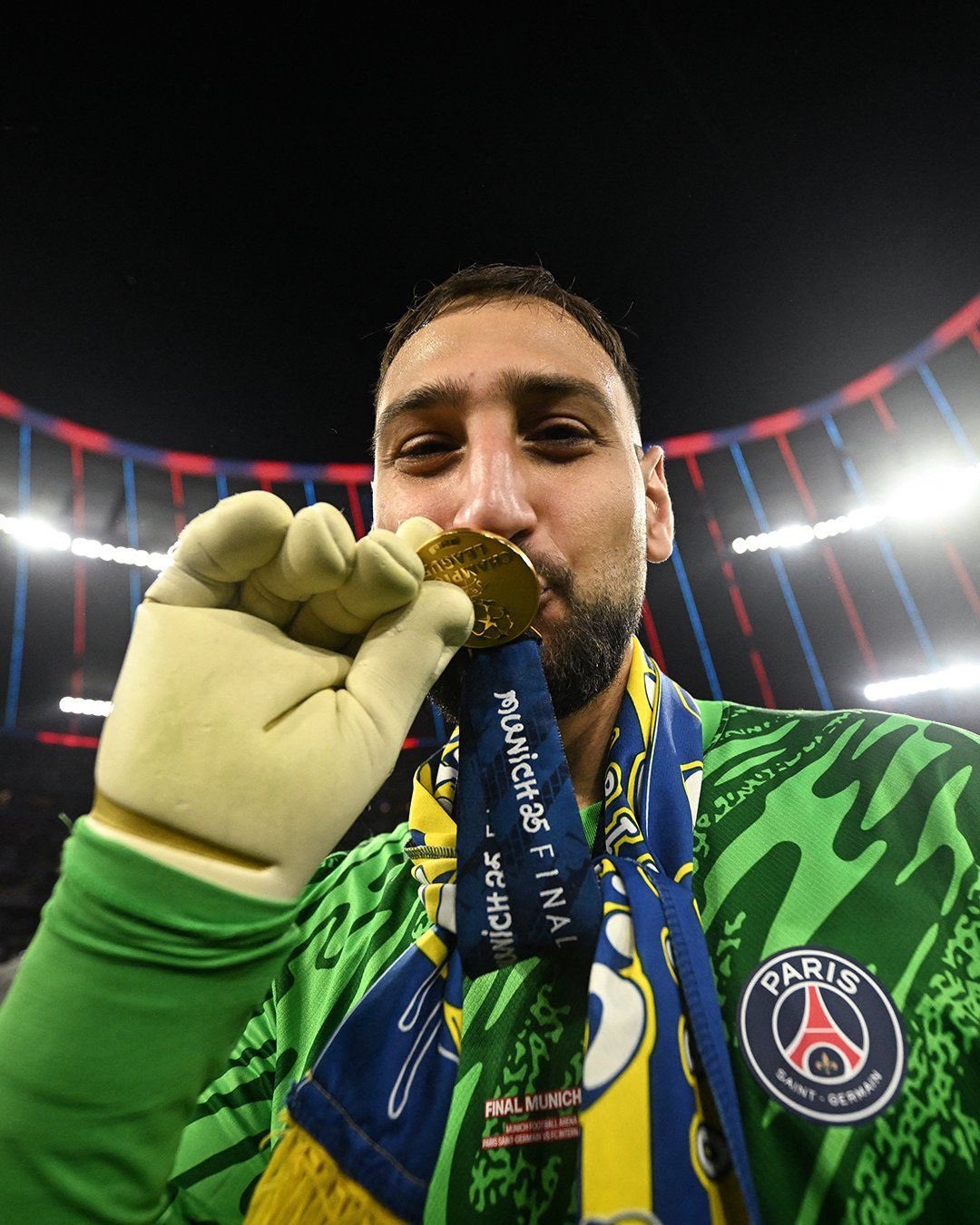
While Italy’s Serie A is often seen as a rival to France’s Ligue 1, the history of Italians crossing the Alps to play or coach in France has created fascinating stories of both success and failure.
From star forwards who lit up Ligue 1 to managers who tested their tactical nous in a different footballing culture, the Italian presence in French football has left a distinctive mark.
Why Italians go to France
There are several reasons Italians have chosen to move to France:
- Geographical proximity: Northern Italy borders France, making moves relatively simple and culturally familiar.
- Financial incentives: At times, Ligue 1 clubs could offer competitive wages or more regular playing time than Italian giants.
- Career revitalisation: Some Italians have gone to France to revive stagnating careers or to gain European exposure.
Italy vs France: A historic rivalry
The rivalry between Italy and France extends far beyond the football pitch. While Serie A and Ligue 1 occasionally clash in European competitions, the competition between the two nations runs through many facets of life.
Sport:
Football is the most obvious arena, with clashes in the World Cup, European Championship, and club competitions sparking passionate debate. Both nations have storied histories, producing legendary players and managers, and their clubs often meet in high-stakes European fixtures. But the rivalry also extends to other sports like cycling (Tour de France vs Giro d’Italia), motorsports, and rugby, where national pride is at stake.
Food and Cheese:
Culinary pride is central to the rivalry. Italy is famous for its regional pastas, pizza, and robust cheeses like Parmigiano-Reggiano, Pecorino, and Gorgonzola. France counters with delicate haute cuisine, artisanal cheeses like Brie, Camembert, and Roquefort, and an obsession with gastronomic precision. Debates over which country produces the best cheese or wine can be as heated as a football derby.
Wine:
Wine represents another point of pride. Italian wines like Barolo, Chianti, and Prosecco contrast with French classics such as Bordeaux, Burgundy, and Champagne. Wine enthusiasts often argue over which country combines tradition, terroir, and technique best. Both countries value wine as a cultural symbol, tied to family, celebration, and regional identity.
Culture and Lifestyle:
Italy and France have shaped Western culture, art, and fashion. Italy is synonymous with Renaissance art, classical architecture, and a “la dolce vita” lifestyle emphasizing food, family, and leisure. France boasts iconic art movements, philosophy, fashion houses, and a lifestyle centered on refinement and elegance. Rivalry emerges in literature, cinema, and design, with both nations proudly promoting their national identity abroad.
In Football Terms:
When Italian players or coaches move to France, they are not just crossing a league but a cultural border. The rivalry subtly influences expectations, media coverage, and even fan reactions. Italians in France are often compared not just on performance but also on how they embody the artistry, precision, and flair associated with their homeland.
This broader rivalry enriches the narrative of Italians in French football, making every move, success, or struggle a small chapter in the ongoing cultural dialogue between the two countries.
Top 5 Italian successes in France
- Marco Verratti (PSG): Became a symbol of PSG’s dominance in midfield, winning numerous Ligue 1 titles and establishing himself as a world-class playmaker.
- Carlo Ancelotti (PSG, coach): Laid the foundation for PSG’s modern dynasty, guiding them to the 2012–13 Ligue 1 title.
- Gianluigi Donnarumma (PSG): Despite early struggles, he cemented his place as PSG’s No.1 and played a decisive role in their Champions League triumph last season.
- Mario Balotelli (Nice & Marseille): Rediscovered form at Nice, scoring goals regularly and regaining his confidence.
- Salvatore Sirigu (PSG): Reliable in goal during PSG’s early title-winning years under Qatari ownership.
Top 5 Italian flops in France
- Daniele Rugani (Rennes, loan): Barely played due to injuries and form issues, quickly returning to Juventus.
- Alessandro Florenzi (PSG, loan): Failed to convince during his spell in Paris and did not secure a permanent move.
- Francesco Guidolin (Monaco, coach): Short, forgettable tenure in 2005 without making a major impact.
- Fabio Grosso (Lyon, 2007–2009): World Cup winner who struggled to replicate his Italy form, remembered as a disappointment compared to expectations.
- Sebastiano Esposito (Stade de Reims, loan): The promising Inter youngster failed to adapt to Ligue 1 and left little impact.
Adaptation: Is it easy for Italians in France?
Culturally, Italians often find it relatively easy to adapt to France compared to moving to England or Spain. The languages share similarities, food and lifestyle are not drastically different, and the geographical closeness eases transitions.
On the pitch, however, adaptation can be tricky:
- Style differences: Ligue 1 is often faster, more physical, and transitional, while Serie A has traditionally been more tactical and defensive. Some Italians thrive in the space Ligue 1 allows, while others struggle without the structured systems they are used to in Italy.
- Expectation: Big-money Italians at PSG (Donnarumma, Verratti) face relentless pressure to deliver in Europe, which can affect confidence.
Key Takeaways
- Success Stories: Marco Verratti, Gianluigi Donnarumma, Mario Balotelli, Salvatore Sirigu, and Carlo Ancelotti have all left a strong mark on French football.
- Coaching Impact: Italian managers like Ancelotti and Ranieri enjoyed more success than some players, shaping Ligue 1 teams with tactical expertise.
- Flops & Struggles: Rugani, Florenzi, Guidolin, Grosso, and Esposito struggled to adapt, proving France is not an easy destination for every Italian.
- Why They Go: Proximity, wages, and opportunities to revive or elevate careers make France attractive for Italian footballers.
- Adaptation Factor: Cultural adaptation is manageable, but Ligue 1’s faster, more physical style challenges Italians used to Serie A’s tactical systems.
- Redemption Story: Donnarumma’s Champions League triumph shows how persistence can turn initial criticism into glory.
- Cultural Rivalry: The historic rivalry in sport, food, cheese, wine, and culture adds depth to every Italian move in France, influencing expectations and perception.
Conclusion
Italians in France present a mixed picture. Players like Verratti, Balotelli, Sirigu, and now Donnarumma have thrived, while others such as Rugani and Florenzi faded quickly. Coaching has often been more fruitful, with Ancelotti and Ranieri leaving stronger legacies than some players.
Perhaps the most striking example of adaptation is Donnarumma: once criticised for inconsistency, he silenced doubters by helping PSG lift the Champions League last season. His story underlines how Italians in France may face early struggles, but with resilience, they can achieve success at the very highest level.
Ultimately, France offers Italians both opportunity and risk: a league with the potential for career rebirth and silverware, but also a demanding environment that doesn’t always forgive underperformance.
Share this:
- Share on Bluesky (Opens in new window) Bluesky
- Email a link to a friend (Opens in new window) Email
- Share on Facebook (Opens in new window) Facebook
- Share on Reddit (Opens in new window) Reddit
- Share on Threads (Opens in new window) Threads
- Share on WhatsApp (Opens in new window) WhatsApp
- Share on X (Opens in new window) X
Related

Must See
-


Features
/ 2 months agoEXCLUSIVE INTERVIEW: Marc White on Dorking Wanderers’ rise from park football to global screens and their future aspirations
Dorking Wanderers, a National League South side with international recognition, are taking the social...
By Jameel Mulla -


Boxing
/ 2 months agoTop five sporting events of 2025: From Rory McIlroy finally winning the Masters, to England Women’s Rugby World Cup triumph and more
It’s been another remarkable 12 months of sport that has provided plenty of entertainment...
By Ben Potts -


50 Shades of May
/ 4 months agoFSOM: Grassroots football is dying on its a*** and we should be very concerned – here’s why I give the recreational game 10-15 years max
Sometimes when you poke a dead horse with a pointy stick a miracle occurs...
By John May


