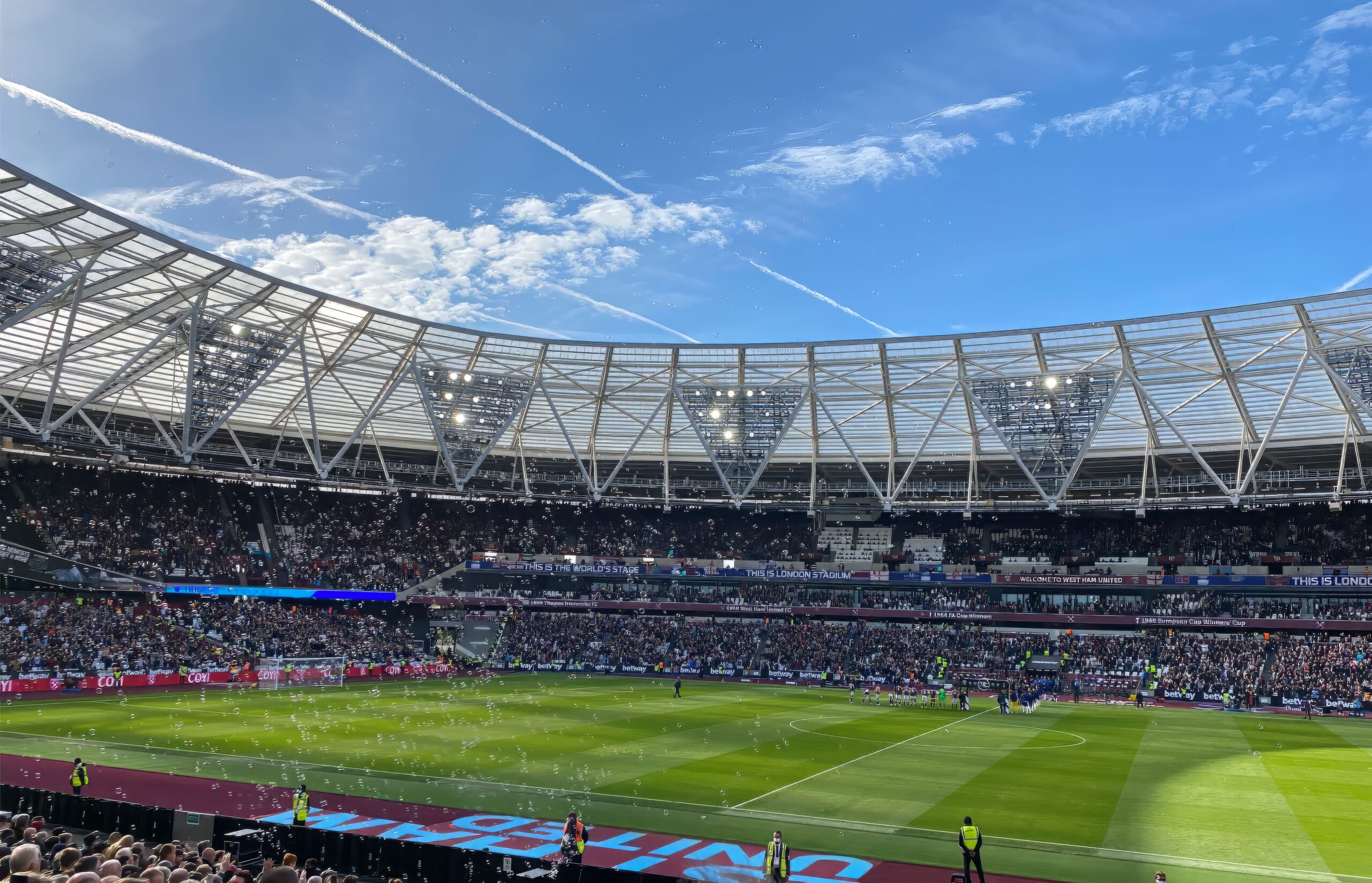
David Sullivan’s long and controversial association with West Ham United has entered its most uncertain chapter yet, leaving supporters wondering what the future holds for both the club and its largest shareholder.
Earlier this month, Sullivan resigned from his positions as West Ham co-chairman and director after becoming aware of the impending publication of serious historical allegations concerning his personal conduct. The allegations, published following a joint investigation by BBC Panorama and The Times, include claims from seven women dating back to the 1980s and 1990s. Sullivan has categorically denied all wrongdoing, describing the accusations as ‘factually incorrect and entirely false’ and insisting they are unrelated to his involvement in football.
The controversy deepened when it emerged that Sullivan had been subject to restrictions on contact with West Ham’s women’s and academy teams since 2023 as part of an ongoing Football Association safeguarding investigation. The 77-year-old stated that the arrangement was a temporary and negotiated agreement linked to a single anonymous complaint regarding an alleged incident from 1981, which he says ‘never happened’. The FA has not confirmed whether its investigation has concluded.
Despite stepping away from the day-to-day running of the club, Sullivan remains West Ham’s largest shareholder, retaining a 38.8 per cent stake. That means his influence has not disappeared entirely. However, the newly established Independent Football Regulator is understood to be reviewing the situation and could examine whether Sullivan continues to meet the standards required under football’s owners’ and directors’ tests. In the most serious scenario, he could ultimately be forced to sell his shares in the club.
In the meantime, Czech billionaire Daniel Kretínsky, who already owns a significant minority stake in West Ham, is expected to play an increasingly important role in the club’s future direction. Reports have suggested that he could seek to increase his shareholding and eventually assume full control, although no agreement has yet been reached.
All of this uncertainty comes at a difficult time for West Ham. The club are preparing for life in the Championship following relegation from the Premier League, while supporters continue to demand greater transparency and a clear plan for an immediate return to the top flight.
For many fans, Sullivan’s legacy will remain complicated. Since arriving at West Ham in 2010 alongside the late David Gold, he oversaw the move to the London Stadium, promotion back to the Premier League, qualification for European competition and the club’s UEFA Europa Conference League triumph. Yet protests over the ownership, frustrations regarding recruitment and concerns over the direction of the club have frequently overshadowed those achievements.
What happens next remains uncertain. Sullivan intends to fight the allegations through legal channels and has vowed to clear his name. The football authorities continue to assess the situation, while West Ham face crucial decisions both on and off the pitch.
One thing, however, is beyond doubt. The coming months could reshape the ownership and leadership of West Ham United in a way not seen since Sullivan first arrived in East London more than 16 years ago.